Your Mercedes benz dtc b007e13 images are available. Mercedes benz dtc b007e13 are a topic that is being searched for and liked by netizens now. You can Download the Mercedes benz dtc b007e13 files here. Download all free vectors.
If you’re looking for mercedes benz dtc b007e13 pictures information connected with to the mercedes benz dtc b007e13 keyword, you have visit the right blog. Our website frequently provides you with hints for seeing the maximum quality video and picture content, please kindly hunt and find more enlightening video content and images that match your interests.
Mercedes Benz Dtc B007e13. If the value displayed is lower or higher than the desired range the RCM can set a Diagnostic Trouble Code DTC. The Restraints Control Module RCM analyzes the deployment loop resistance to determine if a fault exists. The value displayed in the PID is the deployment loop resistance measured by the RCM. If the fault occurs again or if this is a reoccurrence of the same complaint a PTSS case must be created and informa-tive photos of the work performed.
 Ram Airbag Module Reset Orcm Myairbags Airbag Reset Seat Belt Pretensioner Repair From blogs.myairbags.com
If the value displayed is lower or higher than the desired range the RCM can set a Diagnostic Trouble Code DTC. The value displayed in the PID is the deployment loop resistance measured by the RCM. If the fault occurs again or if this is a reoccurrence of the same complaint a PTSS case must be created and informa-tive photos of the work performed. The Restraints Control Module RCM analyzes the deployment loop resistance to determine if a fault exists.
The value displayed in the PID is the deployment loop resistance measured by the RCM.
The value displayed in the PID is the deployment loop resistance measured by the RCM. If the fault occurs again or if this is a reoccurrence of the same complaint a PTSS case must be created and informa-tive photos of the work performed. The Restraints Control Module RCM analyzes the deployment loop resistance to determine if a fault exists. The value displayed in the PID is the deployment loop resistance measured by the RCM. If the value displayed is lower or higher than the desired range the RCM can set a Diagnostic Trouble Code DTC.
 Source: youtube.com
If the fault occurs again or if this is a reoccurrence of the same complaint a PTSS case must be created and informa-tive photos of the work performed. If the value displayed is lower or higher than the desired range the RCM can set a Diagnostic Trouble Code DTC. The Restraints Control Module RCM analyzes the deployment loop resistance to determine if a fault exists. The value displayed in the PID is the deployment loop resistance measured by the RCM. If the fault occurs again or if this is a reoccurrence of the same complaint a PTSS case must be created and informa-tive photos of the work performed.
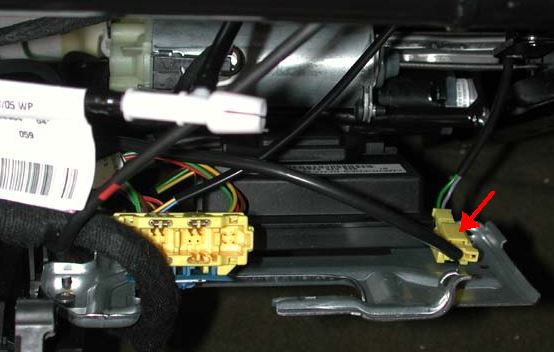 Source: mbworld.org
The value displayed in the PID is the deployment loop resistance measured by the RCM. The Restraints Control Module RCM analyzes the deployment loop resistance to determine if a fault exists. The value displayed in the PID is the deployment loop resistance measured by the RCM. If the fault occurs again or if this is a reoccurrence of the same complaint a PTSS case must be created and informa-tive photos of the work performed. If the value displayed is lower or higher than the desired range the RCM can set a Diagnostic Trouble Code DTC.
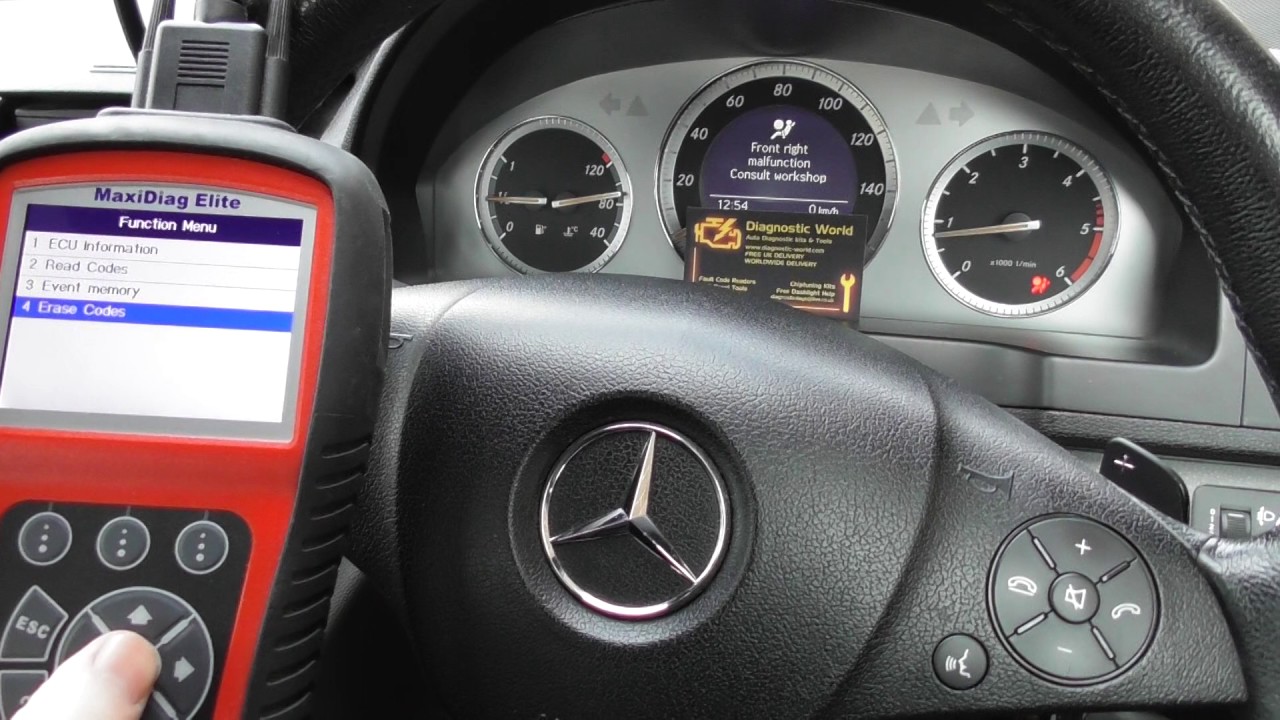 Source: youtube.com
If the fault occurs again or if this is a reoccurrence of the same complaint a PTSS case must be created and informa-tive photos of the work performed. The Restraints Control Module RCM analyzes the deployment loop resistance to determine if a fault exists. If the value displayed is lower or higher than the desired range the RCM can set a Diagnostic Trouble Code DTC. The value displayed in the PID is the deployment loop resistance measured by the RCM. If the fault occurs again or if this is a reoccurrence of the same complaint a PTSS case must be created and informa-tive photos of the work performed.
 Source: youtube.com
If the value displayed is lower or higher than the desired range the RCM can set a Diagnostic Trouble Code DTC. The Restraints Control Module RCM analyzes the deployment loop resistance to determine if a fault exists. The value displayed in the PID is the deployment loop resistance measured by the RCM. If the fault occurs again or if this is a reoccurrence of the same complaint a PTSS case must be created and informa-tive photos of the work performed. If the value displayed is lower or higher than the desired range the RCM can set a Diagnostic Trouble Code DTC.
 Source: youtube.com
The Restraints Control Module RCM analyzes the deployment loop resistance to determine if a fault exists. If the value displayed is lower or higher than the desired range the RCM can set a Diagnostic Trouble Code DTC. The value displayed in the PID is the deployment loop resistance measured by the RCM. If the fault occurs again or if this is a reoccurrence of the same complaint a PTSS case must be created and informa-tive photos of the work performed. The Restraints Control Module RCM analyzes the deployment loop resistance to determine if a fault exists.
 Source: youtube.com
If the fault occurs again or if this is a reoccurrence of the same complaint a PTSS case must be created and informa-tive photos of the work performed. The value displayed in the PID is the deployment loop resistance measured by the RCM. The Restraints Control Module RCM analyzes the deployment loop resistance to determine if a fault exists. If the fault occurs again or if this is a reoccurrence of the same complaint a PTSS case must be created and informa-tive photos of the work performed. If the value displayed is lower or higher than the desired range the RCM can set a Diagnostic Trouble Code DTC.
 Source: justanswer.com
The value displayed in the PID is the deployment loop resistance measured by the RCM. The value displayed in the PID is the deployment loop resistance measured by the RCM. The Restraints Control Module RCM analyzes the deployment loop resistance to determine if a fault exists. If the value displayed is lower or higher than the desired range the RCM can set a Diagnostic Trouble Code DTC. If the fault occurs again or if this is a reoccurrence of the same complaint a PTSS case must be created and informa-tive photos of the work performed.
 Source: dodgedurango.net
If the fault occurs again or if this is a reoccurrence of the same complaint a PTSS case must be created and informa-tive photos of the work performed. If the value displayed is lower or higher than the desired range the RCM can set a Diagnostic Trouble Code DTC. The Restraints Control Module RCM analyzes the deployment loop resistance to determine if a fault exists. The value displayed in the PID is the deployment loop resistance measured by the RCM. If the fault occurs again or if this is a reoccurrence of the same complaint a PTSS case must be created and informa-tive photos of the work performed.
 Source: issuu.com
The Restraints Control Module RCM analyzes the deployment loop resistance to determine if a fault exists. If the value displayed is lower or higher than the desired range the RCM can set a Diagnostic Trouble Code DTC. The Restraints Control Module RCM analyzes the deployment loop resistance to determine if a fault exists. If the fault occurs again or if this is a reoccurrence of the same complaint a PTSS case must be created and informa-tive photos of the work performed. The value displayed in the PID is the deployment loop resistance measured by the RCM.
 Source: youtube.com
If the value displayed is lower or higher than the desired range the RCM can set a Diagnostic Trouble Code DTC. The Restraints Control Module RCM analyzes the deployment loop resistance to determine if a fault exists. If the fault occurs again or if this is a reoccurrence of the same complaint a PTSS case must be created and informa-tive photos of the work performed. The value displayed in the PID is the deployment loop resistance measured by the RCM. If the value displayed is lower or higher than the desired range the RCM can set a Diagnostic Trouble Code DTC.
Source:
The Restraints Control Module RCM analyzes the deployment loop resistance to determine if a fault exists. If the fault occurs again or if this is a reoccurrence of the same complaint a PTSS case must be created and informa-tive photos of the work performed. The Restraints Control Module RCM analyzes the deployment loop resistance to determine if a fault exists. The value displayed in the PID is the deployment loop resistance measured by the RCM. If the value displayed is lower or higher than the desired range the RCM can set a Diagnostic Trouble Code DTC.
 Source: justanswer.com
The Restraints Control Module RCM analyzes the deployment loop resistance to determine if a fault exists. The Restraints Control Module RCM analyzes the deployment loop resistance to determine if a fault exists. If the value displayed is lower or higher than the desired range the RCM can set a Diagnostic Trouble Code DTC. The value displayed in the PID is the deployment loop resistance measured by the RCM. If the fault occurs again or if this is a reoccurrence of the same complaint a PTSS case must be created and informa-tive photos of the work performed.
Source: blogs.myairbags.com
The Restraints Control Module RCM analyzes the deployment loop resistance to determine if a fault exists. If the value displayed is lower or higher than the desired range the RCM can set a Diagnostic Trouble Code DTC. If the fault occurs again or if this is a reoccurrence of the same complaint a PTSS case must be created and informa-tive photos of the work performed. The Restraints Control Module RCM analyzes the deployment loop resistance to determine if a fault exists. The value displayed in the PID is the deployment loop resistance measured by the RCM.
Source:
The Restraints Control Module RCM analyzes the deployment loop resistance to determine if a fault exists. The Restraints Control Module RCM analyzes the deployment loop resistance to determine if a fault exists. If the fault occurs again or if this is a reoccurrence of the same complaint a PTSS case must be created and informa-tive photos of the work performed. The value displayed in the PID is the deployment loop resistance measured by the RCM. If the value displayed is lower or higher than the desired range the RCM can set a Diagnostic Trouble Code DTC.
 Source: youtube.com
If the fault occurs again or if this is a reoccurrence of the same complaint a PTSS case must be created and informa-tive photos of the work performed. If the value displayed is lower or higher than the desired range the RCM can set a Diagnostic Trouble Code DTC. The Restraints Control Module RCM analyzes the deployment loop resistance to determine if a fault exists. The value displayed in the PID is the deployment loop resistance measured by the RCM. If the fault occurs again or if this is a reoccurrence of the same complaint a PTSS case must be created and informa-tive photos of the work performed.
Source: dodgedurango.net
If the value displayed is lower or higher than the desired range the RCM can set a Diagnostic Trouble Code DTC. If the value displayed is lower or higher than the desired range the RCM can set a Diagnostic Trouble Code DTC. The value displayed in the PID is the deployment loop resistance measured by the RCM. The Restraints Control Module RCM analyzes the deployment loop resistance to determine if a fault exists. If the fault occurs again or if this is a reoccurrence of the same complaint a PTSS case must be created and informa-tive photos of the work performed.
 Source: youtube.com
The value displayed in the PID is the deployment loop resistance measured by the RCM. If the fault occurs again or if this is a reoccurrence of the same complaint a PTSS case must be created and informa-tive photos of the work performed. The Restraints Control Module RCM analyzes the deployment loop resistance to determine if a fault exists. The value displayed in the PID is the deployment loop resistance measured by the RCM. If the value displayed is lower or higher than the desired range the RCM can set a Diagnostic Trouble Code DTC.
 Source: issuu.com
If the fault occurs again or if this is a reoccurrence of the same complaint a PTSS case must be created and informa-tive photos of the work performed. The value displayed in the PID is the deployment loop resistance measured by the RCM. If the fault occurs again or if this is a reoccurrence of the same complaint a PTSS case must be created and informa-tive photos of the work performed. The Restraints Control Module RCM analyzes the deployment loop resistance to determine if a fault exists. If the value displayed is lower or higher than the desired range the RCM can set a Diagnostic Trouble Code DTC.
This site is an open community for users to share their favorite wallpapers on the internet, all images or pictures in this website are for personal wallpaper use only, it is stricly prohibited to use this wallpaper for commercial purposes, if you are the author and find this image is shared without your permission, please kindly raise a DMCA report to Us.
If you find this site convienient, please support us by sharing this posts to your own social media accounts like Facebook, Instagram and so on or you can also save this blog page with the title mercedes benz dtc b007e13 by using Ctrl + D for devices a laptop with a Windows operating system or Command + D for laptops with an Apple operating system. If you use a smartphone, you can also use the drawer menu of the browser you are using. Whether it’s a Windows, Mac, iOS or Android operating system, you will still be able to bookmark this website.


